TeraHertz Project Holds Mid-Term Meeting with the REA Project Officer

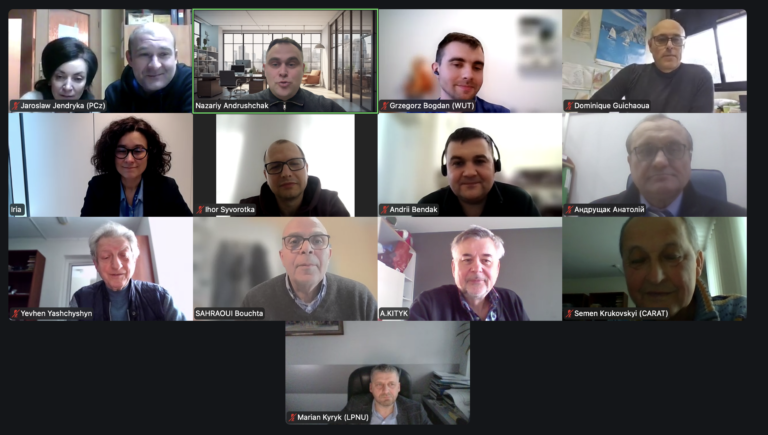
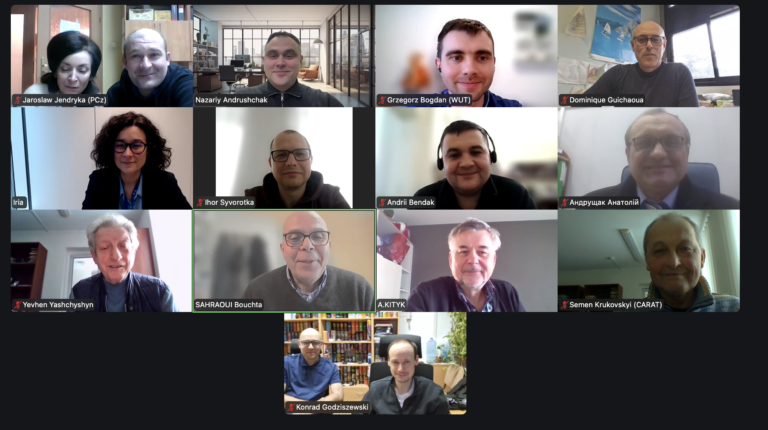
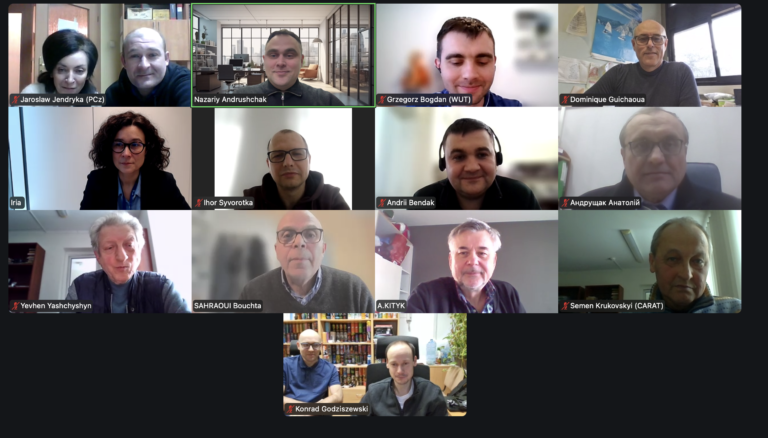
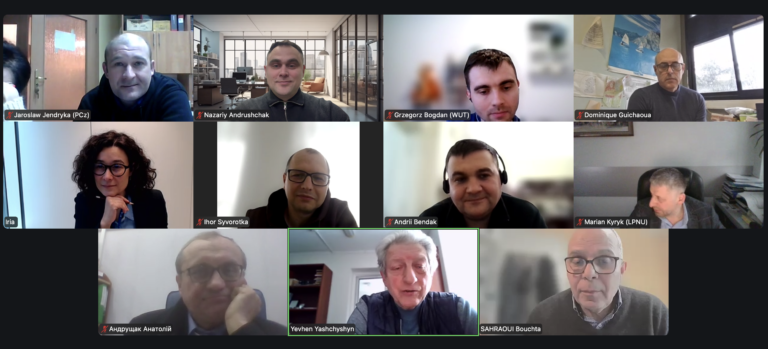
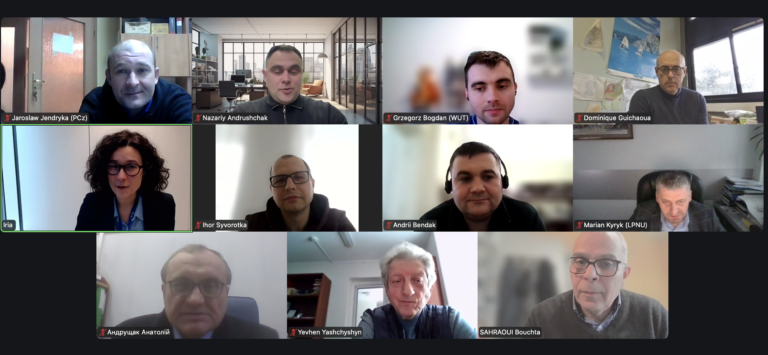
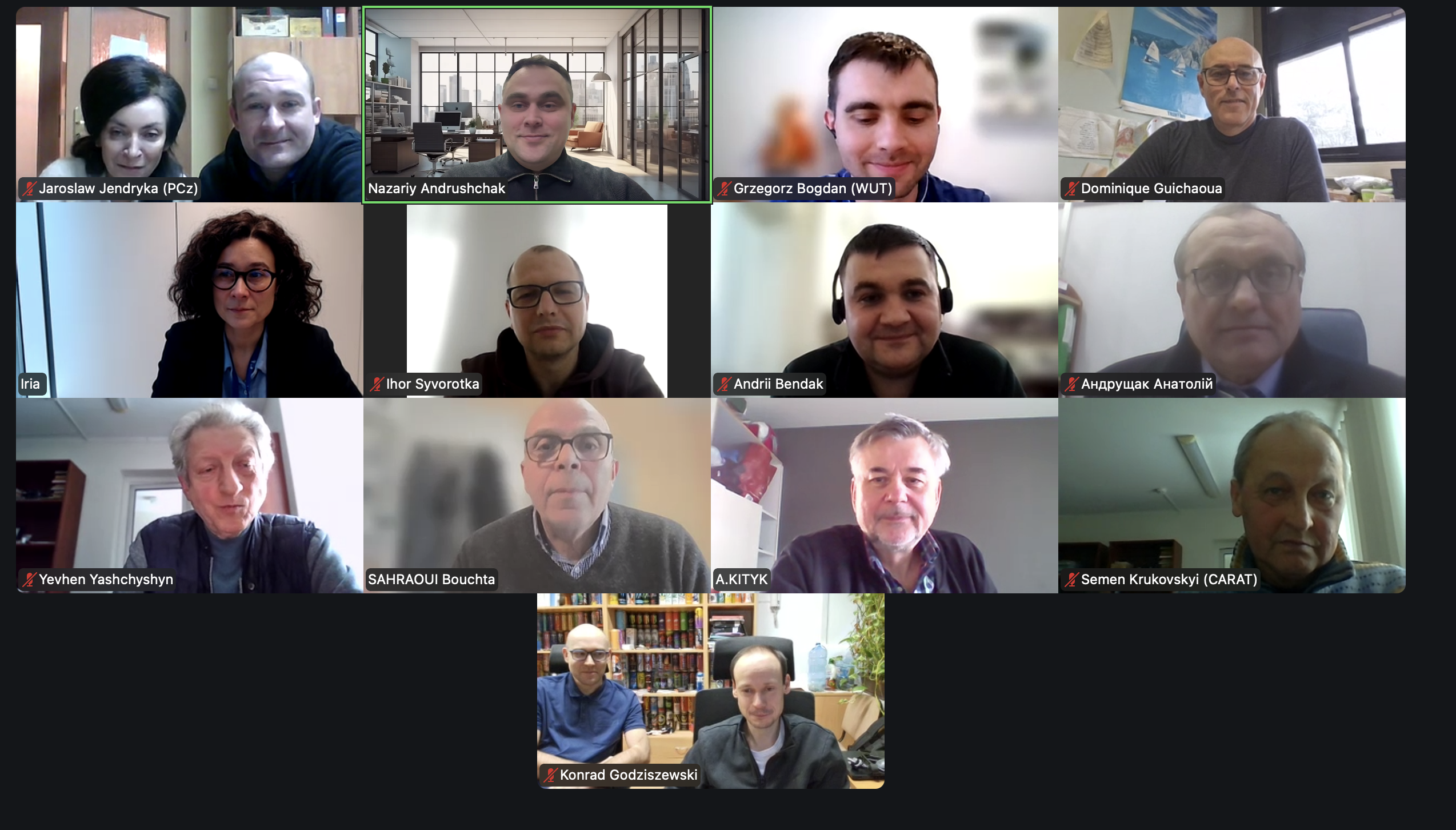
The TeraHertz project, Novel Technologies and Materials for TeraHertz Radiation Control (Grant Agreement No. 101086493, HORIZON-MSCA-2021-SE-01), has reached an important milestone. On 10 February 2026, the consortium held its online Mid-Term Meeting together with REA Project Officer Ms Iria Río Echevarría, bringing all seven partner organisations to the same virtual table to review progress, share results, and plan the second half of the project. The meeting opened with a welcome address by the Project Coordinator, Prof. Anatoliy Andrushchak, who introduced the network’s main research goal and objectives and outlined the scientific progress achieved in line with the Grant Agreement and the agreed Work Plan.
A Strong Scientific Foundation
At the midpoint of the project, the consortium reported a solid and growing body of scientific results, with more than fifteen peer-reviewed publications produced to date across all active Work Packages. Several findings stood out as genuine highlights. Researchers observed an unexpected second harmonic generation at pump power levels below 100 mW, substantially lower than thresholds previously reported in the literature, a potentially breakthrough result that opens new avenues for low-power THz device design, and for which the consortium is now preparing a rapid communication for a high-impact optics journal. The computational design of a light-controlled lithium niobate (LiNbO₃) modulator demonstrated tunable transmission properties, providing the theoretical foundation for a new class of active THz devices. In parallel, low-temperature GaAs layers were fabricated with resistivity meeting and exceeding the specifications required for photoconductive THz emitters, while advanced THz spectroscopy equipment covering the 100–1350 GHz range was installed and commissioned, significantly enhancing the consortium’s experimental capacity. Together with the systematic characterisation of a broad range of candidate materials — including LiNbO₃, GaSe, porous silicon, bismuth germanate, and liquid-crystal composites — these results confirm that the project is delivering high-quality science across the network.
Progress Across All Work Packages
The leaders of all eight Work Packages presented their progress reports, giving a complete picture of how the project’s scientific and managerial activities fit together. The reports covered project coordination and management, the analysis and selection of crystalline and nanoporous materials, the experimental investigation of selected materials in the THz range, 3D spatial anisotropy analysis and computer simulations, the fabrication of crystalline nanocomposites and semiconductor coplanar structures, the fabrication and characterisation of laboratory prototypes, the implementation of prototypes into an innovative product, and the project’s dissemination and communication activities. This cross-Work-Package review highlighted strong collaboration between teams and confirmed clear priorities for the period ahead, including the transition from fundamental research towards device prototyping.
Training, Mobility, and Career Development
The agenda also addressed the project’s secondment and training programme, the heart of any Marie Skłodowska-Curie Staff Exchange action. Partners reviewed the implementation of the secondments plan, which has already supported substantial international researcher mobility and enabled hands-on training in advanced techniques such as THz spectroscopy, corona poling, liquid-phase epitaxy, and computational simulation. A dedicated session brought seconded staff members together directly with the REA Representative, giving researchers the opportunity to share their experiences within the network and discuss any matters relevant to their participation.
Management, Dissemination, and Outreach
The consortium discussed the management and financial aspects of the project, intellectual property, and the dissemination and communication activities planned to reach both the scientific community and the wider public. Upcoming activities include Open Days at partner institutions and a Summer School for early-career researchers, alongside the project’s ongoing online and social-media presence.
Looking Ahead
The Mid-Term Meeting concluded with an open discussion and closing remarks. As TeraHertz enters the second half of its work programme, the consortium is well positioned to build on its scientific achievements, advance towards laboratory prototypes, and strengthen its dissemination and outreach efforts. The TeraHertz consortium thanks the REA Project Officer for the constructive dialogue and looks forward to continued productive collaboration in the months ahead.